Carbon monoxide alarm going off
When a carbon monoxide alarm is going off, what to do is get everyone outside first, call 911 from outside, and stay out until responders clear the house.
CO alarm sounding
- Everyone in the houseOUT NOW
- Anyone asleepWAKE, BRING OUT
- Anyone you can't moveTELL 911 FROM OUTSIDE
- Furnace, stove, heater, fireplaceLEAVE THEM
- 911CALL FROM OUTSIDE
- Anyone with symptomsTELL THE DISPATCHER
- The houseSTAY OUT UNTIL CLEARED
- Use this when
- A CO alarm is sounding, or several people feel flu-like at home with no clear cause.
- Done when
- Responders have cleared the house and a qualified technician has dealt with the source.
- Who
- You, then responders, then a qualified technician
Written for this manual, last checked against sources November 4, 2026. Who wrote it
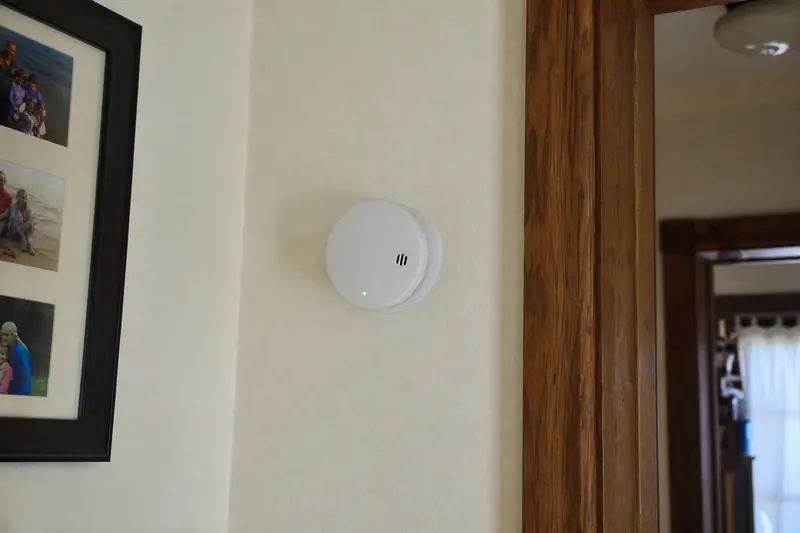
E-2.1 Treat every alarm as real
Carbon monoxide can't be seen, smelled or heard, so feeling fine tells you nothing. The Consumer Product Safety Commission's instruction fits on one line: if you suspect poisoning, get outside to fresh air immediately, and then call 911. The order matters. Outside first, phone second.
An alarm that keeps sounding isn't a faulty alarm until responders say so.
E-2.2 The same drill with no alarm
Symptoms are reason enough to leave. CDC lists headache, dizziness, weakness, upset stomach, vomiting, chest pain and confusion, often described as flu-like. People who are asleep or intoxicated can die before they notice any symptoms, so wake everyone.
E-2.3 Before anyone goes back
Responders decide when the house is safe. Ask them what must stay off. Then have a qualified technician find and fix the source before you use that appliance again. Common sources, per EPA, include leaking chimneys and furnaces, back-drafting furnaces, water heaters, wood stoves, fireplaces, gas stoves, unvented heaters, generators and exhaust from an attached garage.
E-2.4 Keeping it from happening again
- Alarms. CPSC says every level and outside sleeping areas, and in 2026 it said to test them monthly. CDC says to replace them per the maker or every 5 years.
- Colorado law. As published in Colorado's statutes, homes with a fuel-fired appliance, fireplace or attached garage need a working alarm within fifteen feet of each sleeping room's entrance when offered for sale, or after certain permitted work, on or after July 1, 2009. Rentals have their own rules.
- Service. CDC says to have heating and water heating equipment serviced by a qualified technician and the chimney checked or cleaned every year.
- Snow. Clear snow from outside vents for fuel-burning appliances. Nests, snow or ice inside a vent pipe are a job for a qualified technician.
- Generators. Run them outside only, at least 20 feet from doors, windows and vents. Never in a garage or carport.
- Heat in an outage. Never heat with a gas range or oven.
- Vehicles. Never run one in an attached garage, even with the door up.
Moving picture for §E-2
Carbon Monoxide Alarms – what to do if the alarm sounds, posted by Seattle Fire Department. From a fire department in Washington State; its rental-law line and alarm life aren't Colorado's. Stay out until responders clear the house. The still picture sits on this site; nothing comes from YouTube until you press Play.
Where this comes from
- CPSC Carbon Monoxide Information Center: outside first, then 911; alarm placement.
- CPSC news release, February 19, 2026: monthly tests, clearing vents.
- CDC, about carbon monoxide: symptoms, alarm replacement, yearly service, garages.
- CDC toolkit on preventing poisoning: can't be sensed; generator distance.
- CDC generator flyer: never in garages or carports.
- EPA, carbon monoxide and indoor air: common sources.
- Ready.gov, winter weather: no range or oven for heat.
- Propane Education & Research Council manual, republished by Iowa HHS: blocked vent pipes go to a technician. This document also has a tank-valve step that this manual leaves out on purpose.
- C.R.S. 38-45-102 (published copy of the statute): alarms at sale and after permitted work.
- C.R.S. 38-45-104 (published copy of the statute): rentals.
Sources checked November 4, 2026.