Heat pumps in dry cold
A cold climate heat pump in Colorado must reach a COP of at least 1.75 at 5°F for ENERGY STAR's label, among other criteria, and a federal field study found most units beat that, before counting backup and defrost.
- Use this when
- You are pricing a heat pump, or you own one and want to know what its backup heat and its filter need from you.
- Done when
- You have the unit's 5°F capacity and a heat-loss figure in writing, and the filter is on a schedule.
- Who
- You for filters and questions; the installer for sizing, wiring and all refrigerant work
Written for this manual, last checked against sources November 4, 2026. Who wrote it
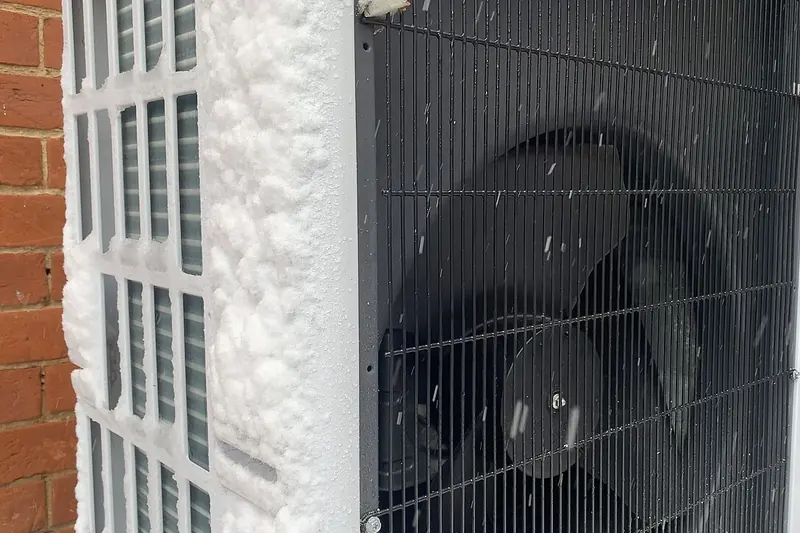
8-4.1 What does cold climate mean on the label?
It means a set of tested numbers at 5°F. COP is the heat delivered for each unit of electricity used, so a COP of 1.75 returns 1.75 units of heat for one unit of power. CSU Extension puts the general range at 1.5 to 3 times the electric energy used, and says cold-climate units can pull heat from air down to 5°F or less, while older units turned inefficient below 40°F and leaned on backup.
| Measure | Minimum |
|---|---|
| COP at 5°F | 1.75 |
| Capacity at 5°F | 70 percent of capacity at 47°F |
| SEER2 | 15.2 |
| HSPF2, non-ducted | 8.5 |
| HSPF2, ducted and package | 8.1 |
| Controls verification | Required |
Those come from the ENERGY STAR specification, which also excludes gas/electric packages. Notice the capacity line. A unit can meet the label and still make noticeably less heat at 5°F than at 47°F, and a brochure's headline number may be the milder-weather one. Ask for the 5°F figure by name.
To check a model, use the NEEP Cold Climate list. NEEP says that since an April 1 move to AHRI data some eligible models aren't shown yet, and a missing model isn't proof it doesn't qualify.
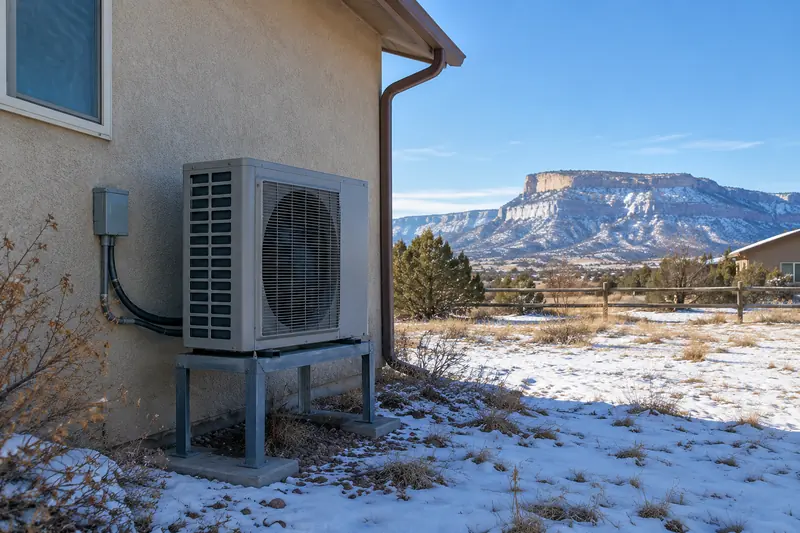
8-4.2 How do they hold up near zero?
Field results are close to the label. A PNNL report for DOE from January 2025 found a median heating COP of 1.9 in the 0 to 5°F range, with auxiliary heat and defrost left out of that figure, and 1.6 to 2.7 below 30°F. Most field units beat 1.75. Most units that used backup during defrost used only the first stage, around 5 kW.
Slope winters generally sit above that test point on average. NOAA's 1991-2020 normals give January lows from 14.6°F at Delta 3E to 19.0°F at Cedaredge 3E. Those are averages at stations, and individual nights run colder. §1-3 has the full table.
What this manual couldn't confirm: how altitude changes heat pump output, and any defrost figures for dry cold air on the Slope. No source opened for this section answers either one, so make them questions for the installer.
8-4.3 How big should the unit be?
Size it to the home's load at your cold weather, and let the installer show the working. Xcel's 2024 rebate filing says its per-ton rebate aims to get systems sized for the full home load and limit resistance backup. That gives you the right questions even if you aren't an Xcel customer.
As plain practical advice, ask for a written heat-loss figure for your house, then compare it with the unit's capacity at 5°F. A quote that gives only a tonnage hasn't answered the question.
Questions for the written quote
- Listed as cold climateENERGY STAR OR NEEP
- Capacity at 5°FSTATED IN WRITING
- Heat-loss figure for the houseSTATED IN WRITING
- Backup heat type and sizeNAMED
- Effect of your elevationASK, GET AN ANSWER
- Permit and inspectionWHO PULLS IT
- Refrigerant lines and chargeINSTALLER ONLY
Ductless mini-splits suit homes or additions without ducts, according to DOE. Rebates and tax credits have changed sharply, so read §8-5 before counting on any.
8-4.4 What does each fuel cost right now?
Here are the raw prices, with their dates and units. This manual doesn't convert them to a cost per unit of heat, because no official calculator could be opened to check the working, and the dates and areas differ.
| Fuel | Price | Date and scope |
|---|---|---|
| Propane, EIA | $2.372 per gallon, excluding taxes | Colorado residential, October 26, 2026 |
| Natural gas, EIA | $17.94 per Mcf | Colorado residential, August 2026, a low-use summer month |
| Electricity, EIA | 18.16 cents per kWh | U.S. residential, August 2026, not Colorado |
| Electricity, DMEA | $0.10950 per kWh, plus $37.00 access fee | DMEA residential single phase, effective January 1, 2026 |
Your own bills beat all of these. Ask the installer to work from your last winter's propane or gas use and your actual electric rate, and to show every step on paper. Which utility serves which town is something this manual couldn't confirm, so go by the name on your bill.
8-4.5 Running it day to day
Heat pumps prefer steady settings. DOE says don't set back manually if that brings on backup resistance heat, and to clean or change filters monthly or as needed.
Moving picture for §8-4
How Do Heat Pumps Work? | Heat Pumps Explained, posted by BC Hydro. From a Canadian electric utility. A general explainer, not cold-climate sizing; its rebates and its 300 percent figure don't carry over here. The still picture sits on this site; nothing comes from YouTube until you press Play.
Linked from this manual
- Mini-splits. The mini-split category, for comparing models with your installer. Check each one against the cold-climate list first. This manual’s team is connected with PlumbingSupplyAndMore.
- Heating services page. A Pennsylvania service company in Bucks and Montgomery counties, not in Colorado. Listed only as an example of how a heating outfit lays out its services. This manual’s team is connected with Central Plumbing & HVAC.
Also asked
Does altitude change what a heat pump can do?
This manual found no source it could confirm on that. Ask the installer what the maker says for your elevation, and get the answer in writing.
What does it mean if a model isn't on the NEEP list?
Not much on its own, since NEEP says some eligible models aren't shown yet after its April 1 data change. Ask the seller for the 5°F test figures and compare them with the ENERGY STAR minimums.
How much power does backup heat draw?
In PNNL's field work, most units using backup during defrost used only the first stage, around 5 kW. Your unit's backup may differ, so ask the installer what's fitted and when it runs.
Should I turn the heat pump down at night?
Only if that doesn't bring on backup resistance heat, as DOE puts it. Ask the installer how your thermostat handles it, and leave it steady if you aren't sure.
Where this comes from
- ENERGY STAR, heat pump specification V6.2, revised February 2026: cold climate criteria.
- PNNL for DOE, field validation, January 2025: field COP, backup use.
- NEEP, Cold Climate ASHP Product List: model lookup and its limits.
- CSU Extension, Heating Colorado Homes: 5°F operation, 1.5 to 3 times, older units.
- DOE, Energy Saver guide, 2022: mini-splits, setbacks, filters.
- NOAA NCEI, January low normals, 1991-2020: station January lows.
- Xcel Energy, 60-day notice, May 31, 2024: sizing aim of the per-ton rebate.
- EIA, heating oil and propane prices: Colorado propane, October 26, 2026.
- EIA, natural gas prices: Colorado residential gas, August 2026.
- EIA, Electric Power Monthly, end use: U.S. residential electricity, August 2026.
- DMEA, rates: residential rate effective January 1, 2026.
Sources checked November 4, 2026.