Selenium in Western Slope water
Selenium in well water in Colorado is documented in shallow groundwater over Mancos Shale, but no source this manual could open measured household wells, so a lab test is the only way to know about yours.
- Use this when
- You drink from a well in Mancos Shale country, or you are buying a house with one and want a fuller test.
- Done when
- You hold a lab result for selenium from your own tap and know how it compares with EPA's 0.05 mg/L limit.
- Who
- You and a certified lab, then the health department if the number is high
Written for this manual, last checked against sources November 4, 2026. Who wrote it
2-4.1 What is actually known about selenium here?
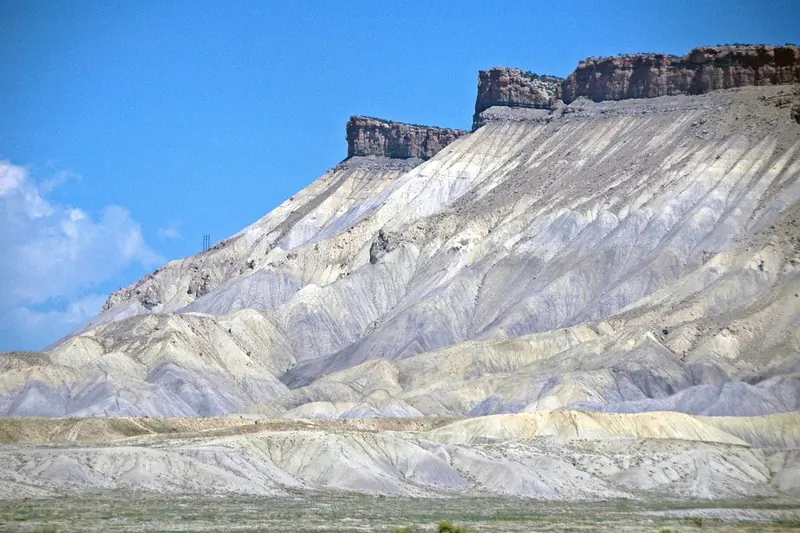
The geology is well documented and household wells aren't. A 2025 USGS circular names the Cretaceous Mancos Shale as a geologic source of selenium in the lower Gunnison basin and the primary selenium-bearing formation in western Colorado, mobilized by weathering and human activity. That circular's concern is mainly aquatic life, and this manual found no domestic-well or household-risk finding in it.
The USGS figures below describe shallow groundwater, not kitchen taps. Read the table with that in mind. Nothing in these sources supports saying that households across the Slope have a selenium problem, or that they don't. This manual also found no official survey of household wells, and we couldn't open the state health department's pages when this was last checked in November 2026, so any state statement on domestic wells stays unconfirmed. Ask the department directly.
| Figure | What it is | What it isn't |
|---|---|---|
| 0.05 mg/L, or 50 ppb | EPA's drinking water limit | A rule on private wells, which fall outside the federal act |
| 4.6 µg/L | Colorado's chronic standard for aquatic life | A drinking water number |
| Below detection to 4,100 µg/L, median 14 µg/L | 30 shallow monitoring wells on irrigated land east of the Uncompahgre River, 2013 to 2015 | Drinking wells |
| Up to 1,300 µg/L | Shallow wells in an older USGS study, highest in alluvium over Mancos Shale | Domestic wells, which that abstract doesn't mention |
2-4.2 Does your area sit on Mancos Shale?
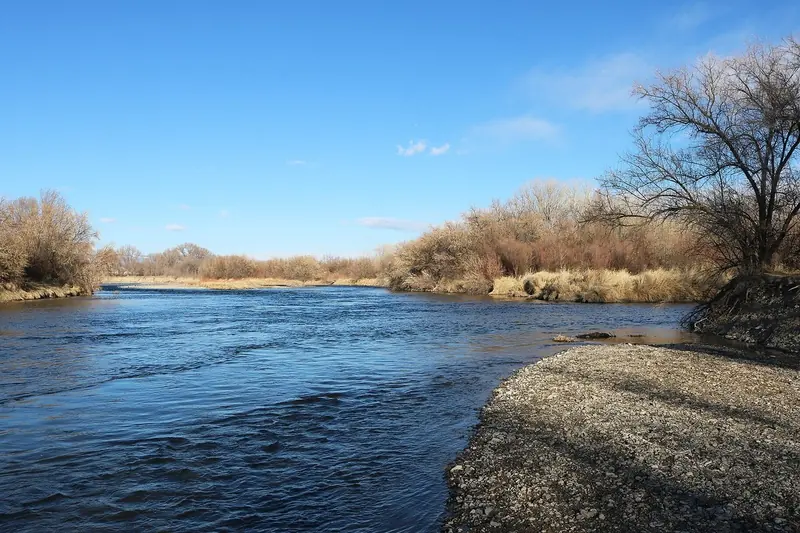
Many Slope towns do, but a map won't answer the water question. A 1978 Colorado Geological Survey guide says Grand Junction, Montrose, Delta and many smaller towns sit on Mancos and Lewis shales. The older USGS study places the Grand Valley's primary source area in the western half, on irrigated soils derived from Mancos Shale. Living on it tells you the source rock may be around. Only a test tells you what's in your water.
2-4.3 How do you get an answer for your own well?
Order a selenium test from a certified lab and sample the water you actually drink. It takes one lab order and a sample bottle.
- Call a certified lab and ask whether it runs selenium in drinking water. The test this manual confirmed at Mesa County's Regional Lab is coliform with E. coli, so ask whether it handles selenium or where it sends you.
- Ask about arsenic and uranium in the same order if you want them. EPA's limits are 0.010 mg/L for arsenic and 30 µg/L for uranium. EPA says uranium can occur naturally in some groundwater, and no official figures for Western Slope domestic wells turned up.
- Follow the lab's sampling instructions.
- Compare the result with EPA's limit, and keep the dated report with your permit (§2-1).
Getting a selenium number
- LabCERTIFIED, RUNS SELENIUM
- Sample pointTAP YOU DRINK FROM
- Lab's instructionsFOLLOW EXACTLY
- Result unitsCHECK MG/L OR µG/L
- Limit to compare0.05 MG/L
- ReportFILE WITH WELL PERMIT
2-4.4 What does selenium do to people?
A small amount is needed, and too much over time causes harm. ATSDR's 2003 summary says selenium is needed in small amounts and most daily intake comes from food. Short-term high oral exposure may cause nausea, vomiting and diarrhea, and chronic high exposure can cause selenosis, with hair loss, brittle nails and neurological effects. EPA lists hair or fingernail loss, numbness in fingers or toes and circulatory problems as long-term effects above its limit. Take symptoms to a doctor, not to this manual.
2-4.5 If your result is over the limit
Talk to your county health department and use another water source for drinking while you do. That interim step is this manual's practical advice, since no source here sets one for a private well.
Boiling isn't the answer. CSU Extension says boiling "does not remove chemicals or metals," and EPA groups selenium with heavy metals. EPA's archived consumer sheet lists activated alumina, coagulation/filtration, lime softening and reverse osmosis as approved for removing selenium. That list is written for public water systems, so it doesn't vouch for any home unit. If you try a home system, ask the seller for selenium test data and retest at a lab afterward.
Linked from this manual
- Waterdrop G3P600 reverse osmosis system. An under-sink reverse osmosis unit. EPA's list covers public systems, so ask the seller for selenium test data and retest at a lab. This manual makes no claim that it removes selenium. This manual’s team is connected with SoftPro Water Systems.
Also asked
Is my well water on the Slope unsafe because of selenium?
No source this manual could open says so, and none says it's safe. The documented high numbers come from shallow monitoring wells, not drinking wells. Your own lab result is the answer.
Will my yearly bacteria test show selenium?
No. EPA's yearly list is total coliform, nitrates, total dissolved solids and pH. Selenium has to be asked for by name.
Should a house sale include a selenium test?
Nothing here requires it. If you are buying a house with a well in Mancos Shale country, it's a reasonable test to ask for, and the result goes with the permit file.
Does a softener deal with selenium?
EPA lists lime softening for public systems, which isn't the same as a home softener. §4-2 covers what home softeners do, and this manual has no source saying they remove selenium.
Where this comes from
- USGS Circular 1559, 2025: Mancos Shale as source, aquatic standard, the circular's focus.
- USGS, selenium in groundwater of the lower Gunnison: monitoring well range and median.
- USGS, detailed study of selenium, Grand Valley area: shallow well high, Grand Valley source area.
- EPA, national primary drinking water regulations: selenium, arsenic and uranium limits; long-term effects.
- EPA, private drinking water wells: private wells fall outside the federal act.
- EPA, potential well water contaminants: uranium and heavy metals in general terms.
- EPA, archived consumer sheet on selenium: treatment approved for public systems.
- ATSDR ToxFAQs for selenium, 2003: need, intake from food, health effects.
- Colorado Geological Survey SP-11, October 1978: towns on Mancos and Lewis shales.
- CSU Extension, treating water in the backcountry: boiling and metals.
- Mesa County Regional Lab: the test listed there.
Sources checked November 4, 2026.