Contents Chapter 5. Ditch and irrigation water
Keep ditch water out of the house
Irrigation water in a house is this manual's firm no, because ditch water isn't drinking water, so keep it off every house line and treat any shared connection as a backflow question for your supplier.
- Use this when
- You have a ditch, a share, or an irrigation line near the house, or you are buying a place that does.
- Done when
- You know your share and your ditch rider, the ditch water runs on its own lines, and any device on the town line has its test report.
- Who
- You and your ditch company, then a certified backflow tester
Written for this manual, last checked against sources November 4, 2026. Who wrote it
5-1.1 Can you drink ditch water or plumb it to the house?
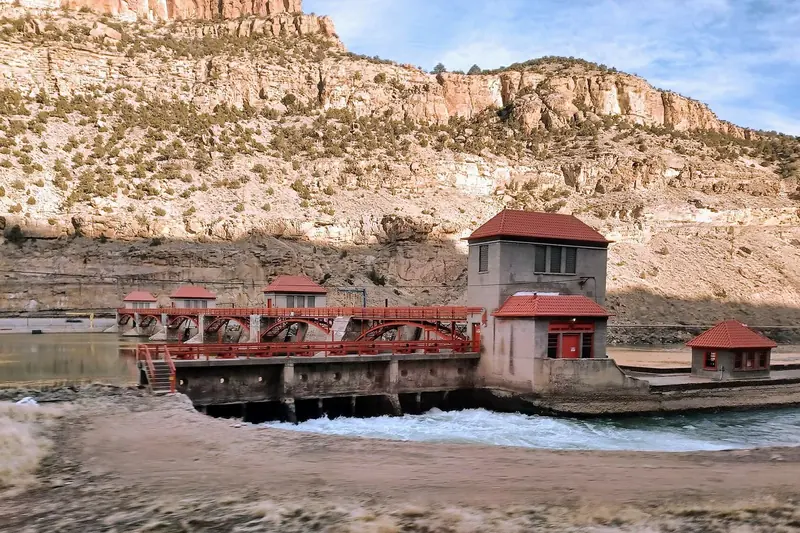
No. That's this manual's own rule, since no Colorado source it could open says so of ditch water in those words. The closest is CSU Extension, which says no backcountry surface water can be guaranteed safe and all should be treated, and that boiling "does not remove chemicals or metals." Ditch water is surface water, so don't drink it and don't connect it to house lines.
Ditch water at the house
- Drinking and cookingNEVER
- House linesNEVER CONNECTED
- Cistern or hauling tankNEVER FILLED FROM DITCH
- Outdoor hose bib on town waterBACKFLOW DEVICE AS REQUIRED
- Sprinklers on both sourcesASK YOUR SUPPLIER FIRST
- Irrigation pipesKEEP MARKED, KEEP SEPARATE
5-1.2 What is a cross-connection, and who enforces it?
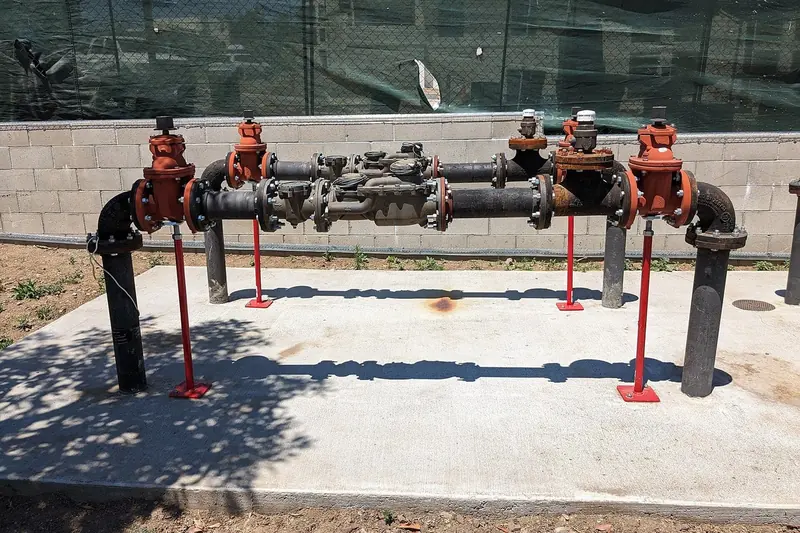
It's any link where unsafe water could flow back toward drinking water, and your supplier enforces the rules. Colorado's Regulation 11.39, as published, says suppliers may not install or permit an uncontrolled cross-connection. Within 120 days of discovery they must install a device, suspend service or remove it. Assemblies are tested annually by a certified technician and may not go more than two consecutive calendar years untested.
CSU Extension draws a useful line. Ditch-only irrigation systems don't require backflow protection, while a dual system delivering irrigation and potable water requires a reduced-pressure (RP) assembly.
| Supplier | Rule on its own page |
|---|---|
| Ute Water | Device required on new connections and on existing ones it deems a threat; tested at installation and at least annually by a certified technician |
| Clifton Water District | Irrigation systems, pools, boilers and fire systems are cross-connections; single-family owners with a device on irrigation, pool or softener must submit annual reports; a dual check yoke may call for a thermal expansion tank |
| Grand Junction | We couldn't open the city's pages in November 2026, so ask it directly |
5-1.3 What do you own if you have a ditch share?
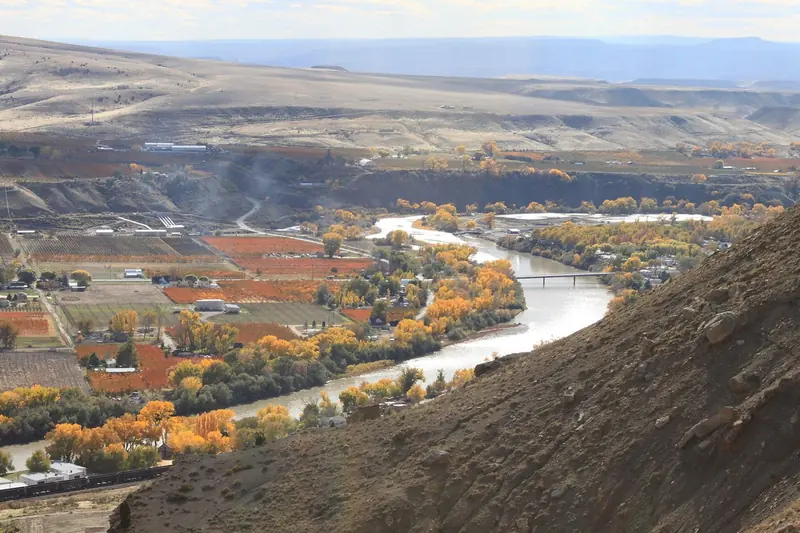
A share gives you a claim on water under a company's rules, and having a ditch isn't the same thing. CSU Extension says a ditch on your property doesn't mean you may use its water. A share is an interest in a ditch company and a portion of the flow, and water per share varies by company and year. Annual fees cover use, maintenance and the ditch rider. Shares aren't ownership of the water right itself.
Each company runs on its own terms, so read yours. These two are the ones whose rules could be read in November 2026.
- Uncompahgre Valley Water Users Association (UVWUA): shares transfer with the land by deed, and canals and laterals sit on private property under an exclusive easement. Canal roads aren't a public right of way. Its pump rule reads: "Pumps are not allowed in canals and laterals without written permission from the General Manager."
- Grand Valley Water Users Association (GVWUA): runs Cameo Diversion Dam, the 55-mile Government Highline Canal and 150 miles of laterals, serving over 23,000 acres. Assessments must be paid before the season to get water, orders go in two days ahead, and users answer for their own pumps.
5-1.4 Can you fence or build across a ditch?
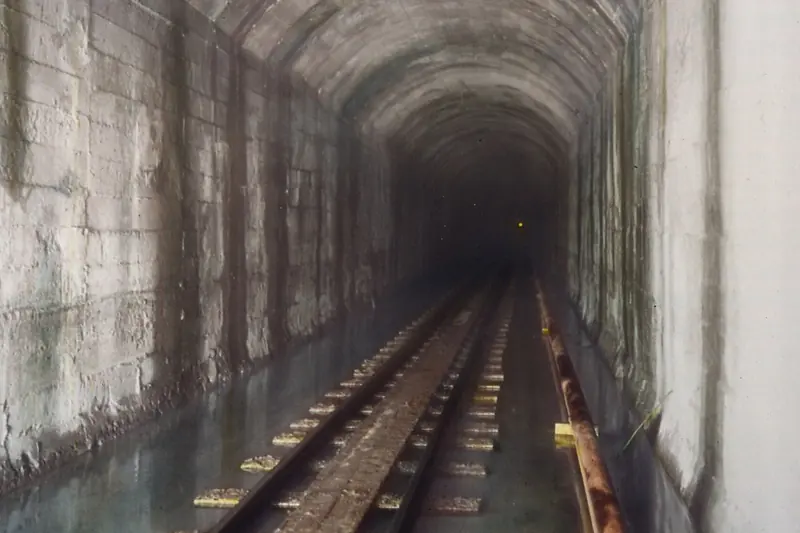
Often not without permission, because the ditch owner has an easement. CSU Extension says an easement is "as wide as is reasonably necessary," with width often set by historic practice and not the deed. The owner may enter and disturb land inside it, and neighbors using the ditch have repair access. Don't obstruct it or deny access.
Fences across a ditch may be prohibited or conditioned, and a pond that forces ditch flow through it counts as an impoundment. Moving a ditch outside the easement generally needs your permission or private condemnation. Ditch companies generally own and maintain ditches from the headgate to where landowners or lateral associations take over, though rules differ, so ask the ditch rider where yours changes hands.
Moving picture for §5-1
Cross Connection Control Program (Backflow Prevention), posted by Manatee County Government. From a Florida county, whose rules and contractor list don't apply here; ask your Colorado provider. It doesn't discuss ditch water by name, and ditch water never joins house lines. The still picture sits on this site; nothing comes from YouTube until you press Play.
Linked from this manual
- Backflow preventers. Backflow assemblies and devices. Your water supplier sets the type, and a certified technician does the test. This manual’s team is connected with PlumbingSupplyAndMore.
Also asked
Can I run ditch water to a toilet or washing machine?
Not by this manual's rule. Any indoor use puts ditch water on the house side of your plumbing, so keep it outdoors and on its own lines.
Does a ditch-only sprinkler system need a backflow device?
CSU Extension says ditch-only systems don't require one, while dual systems require an RP assembly. Your company or supplier may have its own terms, so check with them too.
My new house has a ditch across it. Do I have water rights?
Not necessarily. CSU says a ditch on the property doesn't give you use of it. Check the deed for shares and call the ditch company.
Can I drop a pump in the lateral?
Under UVWUA's rule, not without written permission from the General Manager. GVWUA leaves pumps as the user's responsibility. Ask your own company.
Where this comes from
- CSU Extension, treating water in the backcountry: surface water and boiling.
- Colorado Regulation 11.39, cross-connections: supplier duties, 120 days, testing (published copy of the regulation).
- CSU Extension, backflow prevention devices: ditch-only and dual systems.
- Ute Water, backflow: its device and test rules.
- Clifton Water District, cross-connection: its cross-connection list and reports.
- CSU Extension, water resources: a ditch doesn't mean use of its water.
- CSU Extension, irrigation ditches and their operation: shares, easements, fences, ponds, maintenance.
- CSU Extension, understanding a decreed water right: shares and ownership.
- Uncompahgre Valley Water Users Association, about: deed transfer, easements, canal roads.
- UVWUA, pump information: the pump rule.
- Grand Valley Water Users Association: system, assessments, orders, pumps.
- NIOSH publication 87-113, confined spaces: the vault deaths.
Sources checked November 4, 2026.