Read your well permit
A Colorado well permit sets what your well may be used for, and its own conditions control, so read yours before watering a garden, adding stock or changing anything at the well.
- Use this when
- You own a well, are buying a house with one, or want to use well water outside the house.
- Done when
- The permit number is on your house card, you know the permitted uses, and the state has your current name and contact details.
- Who
- You, with the state Division of Water Resources for permit questions
Written for this manual, last checked against sources November 4, 2026. Who wrote it
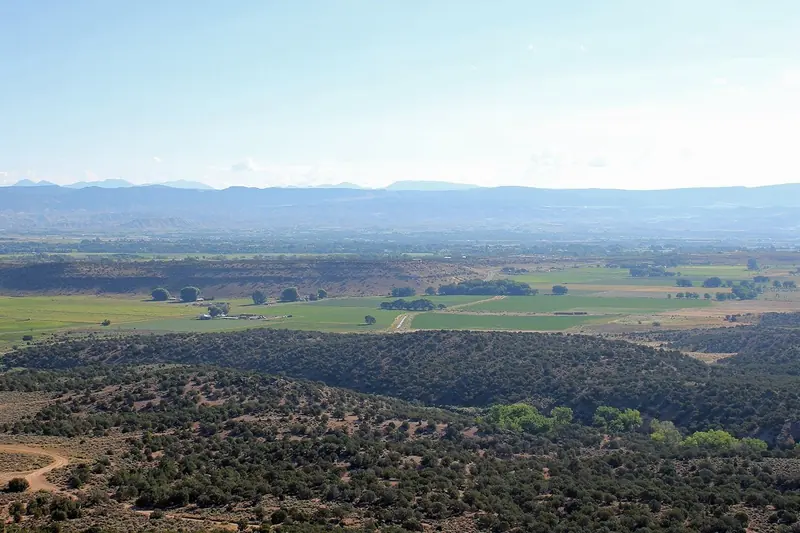
2-1.1 What does "exempt" mean on a Colorado well?
Exempt doesn't mean no permit. CSU Extension says exempt wells still need a State Engineer permit, are limited to 15 gallons per minute (gpm), and that new permits are "very restrictive." As published in Colorado's statutes, the same 15 gpm limit applies to the household and commercial categories, and wells predating 1971 may go up to 50 gpm.
Exempt names a category. It doesn't tell you what your own paper says, and two houses with exempt wells can hold very different permits.
| Level | What it covers | What to remember |
|---|---|---|
| Statutory household category | Ordinary household purposes, fire protection, poultry, domestic animals and livestock on farms and ranches, up to one acre of home gardens and lawns | The ceiling of the category, serving no more than three single-family dwellings |
| Statutory commercial category | Drinking and sanitary facilities in individual commercial businesses | A separate category from household |
| Household use only, CSU's description | Indoor use | No gardens, windbreaks or livestock |
2-1.2 Can you water a garden or keep stock on your well?
Only if your permit allows it. The statute lists livestock and up to an acre of gardens and lawns in the category, while CSU Extension says most private wells drilled on or after May 8, 1972 on properties under 35 acres are permitted for household use only. Both statements hold at different levels. The category sets the outer limit and the permit sets yours.
CSU adds that the household-only rule assumes about 10% of the water is consumed. CSU's water page says plainly that many rural wells are household-use-only and that owners should know what theirs is permitted for.
Reading your own permit
- Permit numberCOPY TO HOUSE CARD
- Conditions of approvalREAD EVERY LINE
- Indoor household useCONFIRM LISTED
- Garden or lawnONLY IF PERMIT SAYS SO
- LivestockONLY IF PERMIT SAYS SO
- Name and contact on fileCHECK THEY ARE YOURS
2-1.3 Where do you find the permit number?
Start with the closing papers from your purchase, the well driller's paperwork and any old folder the last owner left. That search order is practical advice, not a rule. A 2009 state flyer says domestic permits generally have five or six digits with no "-F" suffix, and that the governing statute appears in the permit's conditions of approval.
The flyer's search address is old, so it isn't printed here. The Division of Water Resources is the office CSU sends owners to for permit detail. We couldn't open that office's pages when this was last checked in November 2026, so ask it directly how to look up a permit today.
2-1.4 Bought a house with a well?
File your details with the state. As published in Colorado's statutes, the holder of an unexpired well permit must file a name or contact-information change with the state engineer, on the state engineer's form, within 63 days. The text doesn't use the words "change of ownership" and mentions no fee, so ask the Division of Water Resources which form it wants for a sale.
2-1.5 Moving or repairing a well
Moving a well has its own conditions. The statute has the applicant state intent to abandon the old well, which must be abandoned within 91 days after the new one is completed if use doesn't change substantially. No change in use is presumed if the new site is within 200 feet, in the same aquifer, at or below permitted rates.
Work on the well itself goes to licensed people as a rule. A pump installation contractor is a person licensed to install, remove, modify or repair pumping equipment for compensation, and wells and pumping equipment must not be located, built, repaired or abandoned in violation of the article or the board's rules. §2-2 covers the pump side.
2-1.6 What this section could not confirm
State pages were not readable in November 2026, so these stay open. Ask the Division of Water Resources about each one that touches your well.
- Its own wording on exempt and non-exempt wells, and any acre-foot limits.
- Its current wording of the 35-acre rule for domestic wells.
- Which changes at a well need a new permit.
- The current permit search tool and owner form.
These statute references come from a published copy of Colorado's law, so check the official text before relying on exact wording in a sale or a dispute.
Moving picture for §2-1
Map Viewer Search for Well by Permit, posted by Colorado Division of Water Resources. From the Colorado Division of Water Resources. The example well is in Pueblo County and the screens may have changed since 2020. The still picture sits on this site; nothing comes from YouTube until you press Play.
Also asked
Does an exempt well need a permit at all?
Yes. CSU Extension says exempt wells need a State Engineer permit. Older phrasing can make it sound otherwise, so go by the paper you hold and the state office that issued it.
My neighbor waters a lawn from his well. Can I?
His permit doesn't tell you anything about yours. Permits differ by date, lot size and category, so read your own conditions of approval before running a hose.
Can I catch roof water if my well is household use only?
There are separate rules for rain barrels and a rooftop collection permit tied to what the well permit allows. §3-1 sets them out.
What if the permit names the last owner?
Fix it. The statute gives the holder of an unexpired permit 63 days to file a name or contact change on the state engineer's form.
Where this comes from
- C.R.S. 37-92-602, exempt wells: gpm limits, the household and commercial categories, relocation terms (published copy of the statute).
- C.R.S. 37-90-143, permit holder updates: the 63-day filing (published copy of the statute).
- C.R.S. 37-91-102, definitions: pump installation contractor (published copy of the statute).
- C.R.S. 37-91-109, construction and licensing: limits on building, repairing and abandoning wells (published copy of the statute).
- CSU Extension, Colorado water law and how to garden anyway: permit need, 15 gpm, the May 8, 1972 and 35-acre description, the 10% assumption.
- CSU Extension, water resources for rural owners: many rural wells are household-use-only; referral to the state for detail.
- Division of Water Resources flyer, 2009, hosted by CSU: what a domestic permit number looks like.
Sources checked November 4, 2026.